
Indonesia’s Best Pine Forests: A Guide to Slow Travel in 2026
Estimated word count: 787 words
Estimated reading time: 7 minutes
Share This Article

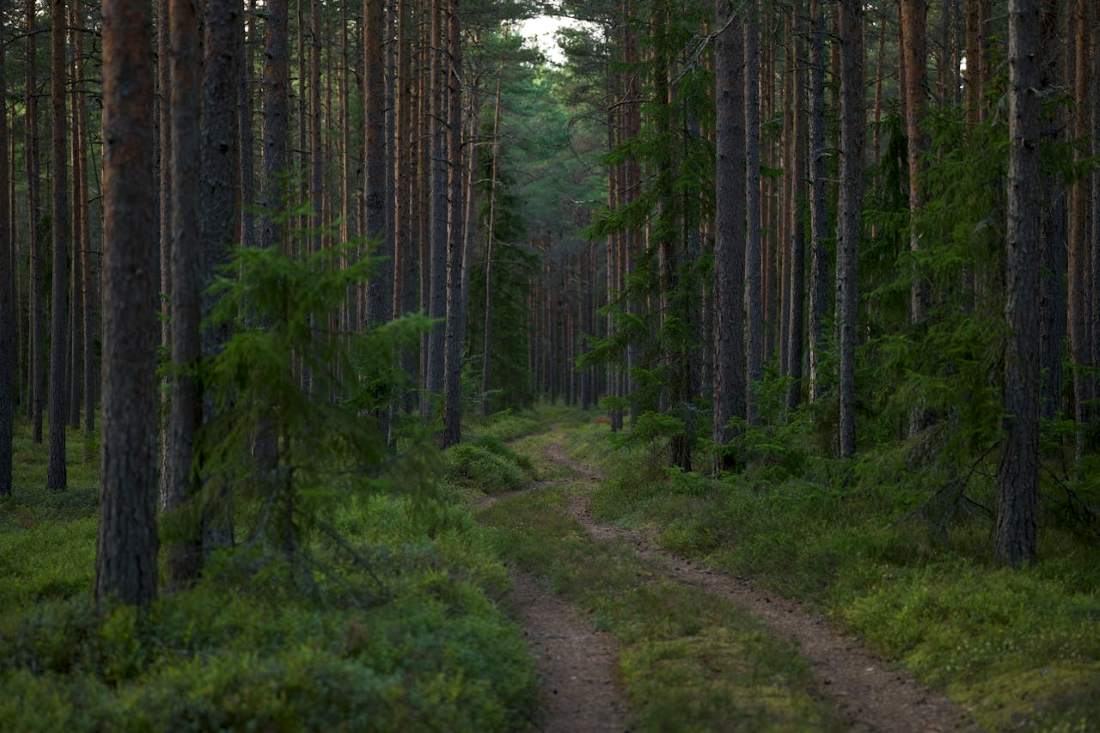
While #Indonesia is synonymous with tropical coastline, volcanic peaks, probably the best gastronomy ever, and great parties, this year has seen a growing interest in its ‘cool-cation’ destinations. And it keeps surprising international travellers no end that this destination has its share of quiet nature getaways. Indonesia’s sub-tropical pine forests offer a crisp, fragrant alternative to the humidity of the lowlands, providing a restorative environment for travellers looking to slow down. From the highlands of Sulawesi to the volcanic slopes of Bali, these evergreen sanctuaries are becoming the preferred backdrop for camping, professional photography, and quiet reflection.
Malino Highlands: The Emerald of South Sulawesi
Located roughly 90 kilometres from Makassar, the Malino Highlands offer an immediate shift in climate and atmosphere. The region is characterised by soaring pine trees that date back to the Dutch colonial era, casting long, dramatic shadows across the mountain roads. For the 2026 traveller, Malino is not just a destination but a sensory experience; the scent of pine needles and the sight of mist rolling over the nearby tea plantations create a setting that feels worlds away from the urban bustle of the port city.
The forest floors here are remarkably well-maintained, providing flat, soft terrain that is ideal for afternoon picnics and amateur photography. Because the canopy is dense, the light is filtered into soft rays, making it a sought-after location for portrait sessions and cinematic selfies. Beyond the aesthetic appeal, the highlands serve as a quiet break from the adrenaline of Sulawesi’s coastal diving spots, allowing visitors to unwind in a landscape that feels more akin to the European Alps than the Indonesian tropics.
Kintamani: The Forest Beneath the Volcano
In Bali, the Kintamani region is frequently visited for its panoramic views of Mount Batur and the caldera lake. However, the surrounding pine forests offer a more intimate way to experience the highlands. The volcanic soil provides a nutrient-rich foundation for these evergreens, which line the ridges and valleys around the volcano. In 2026, this area has become a hub for “slow travel,” where the focus is on the crisp mountain air and the tactile experience of the forest floor.
The Kintamani forests are particularly popular for morning excursions, where the sunrise creates a striking contrast between the dark volcanic basalt and the vibrant green of the pine needles. It is a prime location for camping, with several sites offering ‘glamping’ setups that provide a balance between rugged nature and modern comfort. For those looking to capture the perfect shot, the combination of the soaring pines in the foreground and the active volcano in the background provides a scale and perspective that is unique to the Indonesian archipelago.
Imogiri: Yogyakarta’s Photogenic Fringe
Known locally as Hutan Pinus Mangunan, the Imogiri Forest has evolved into one of the most culturally integrated nature spots near Yogyakarta. This isn’t just a forest; it is a carefully curated space where local artistry meets natural beauty. The community has built a series of wooden viewing decks and creative installations that allow visitors to “float” above the canopy, providing panoramic views that are particularly effective during the golden hour.
For travellers based in Yogyakarta, Imogiri represents an accessible retreat into nature. The forest is a favourite for those looking to populate their social media feeds with high-aesthetic content, as the symmetrical rows of trees and the elevated platforms are designed with photography in mind. It serves as a peaceful counterpoint to the historical density of Borobudur and Prambanan, offering a space where one can simply sit, breathe, and enjoy the silence of the Javanese highlands.
Mount Pancar: A Weekend Reset for West Java
Located near Bogor, Mount Pancar serves as the primary ‘green lung’ for those residing in or visiting the West Java region. The pine forest here is vast and provides a canopy that remains cool even during the peak of the afternoon sun. Its proximity to the capital makes it a logical choice for a weekend reset, where the focus is on wellness and simple outdoor activities like hiking and cycling through the designated forest trails.
What distinguishes Mount Pancar is its integration with natural hot springs, allowing travellers to combine a forest trek with a therapeutic soak. The forest is a popular site for organized camping trips and team-building retreats, but it remains large enough for individual travellers to find their own pocket of solitude. Whether you are looking to capture a minimalist forest selfie or spend a night under the stars in a well-equipped campsite, Mount Pancar offers a professional and manageable entry point into Indonesia’s sub-tropical wilderness.
Check out our other Bali travel blogs, and our Indonesia Hot Deals. For more information and organising bespoke itineraries, call us at 1300 991 751!
More Travel Blog Articles
2026 Guide to One Of Bali’s Great Preserves: Exploring West Bali National Park
The Taman Nasional Bali Barat, or the West Bali National Park, represents one of the…


Sawangan’s Clifftop Vantage: A Guide to Samabe Bali Suites & Villas
In the landscape of Nusa Dua’s luxury retreats, Samabe Bali Suites & Villas occupies a…