


The Infinite Archipelago: A Guide for First-Time Visitors to Indonesia
Estimated word count: 638 words
Estimated reading time: 4 minutes
Share This Article

Indonesia is not a singular destination, but a vast collection of diverse cultures, landscapes, and ecosystems. Stretching across three time-zones and comprising over 17,000 islands, it offers a complexity that can be quite overwhelming for first-time visitors. An effective Indonesia travel guide must acknowledge this scale: from Java’s volcanic peaks to the limestone karsts of Raja Ampat, the country demands… some prep, a slightly a methodical approach if we may. For an Indonesia holiday that you’re envisioning, the key is to focus on a few distinct regions rather than attempting to cover the entire archipelago in a single journey. There, that’s the crux and the golden nugget you needed to know. Remember insurance and a helmet!
The Gateway: Bali and the Lesser Sunda Islands
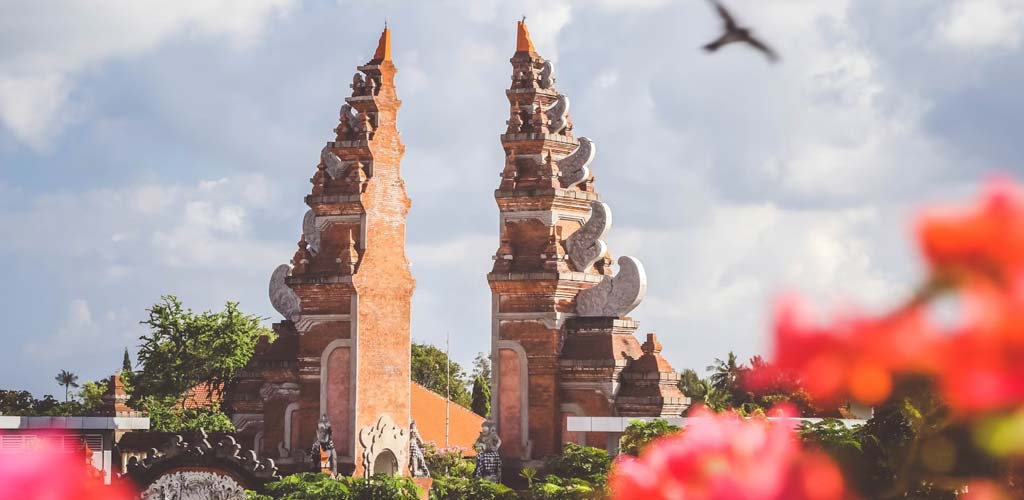
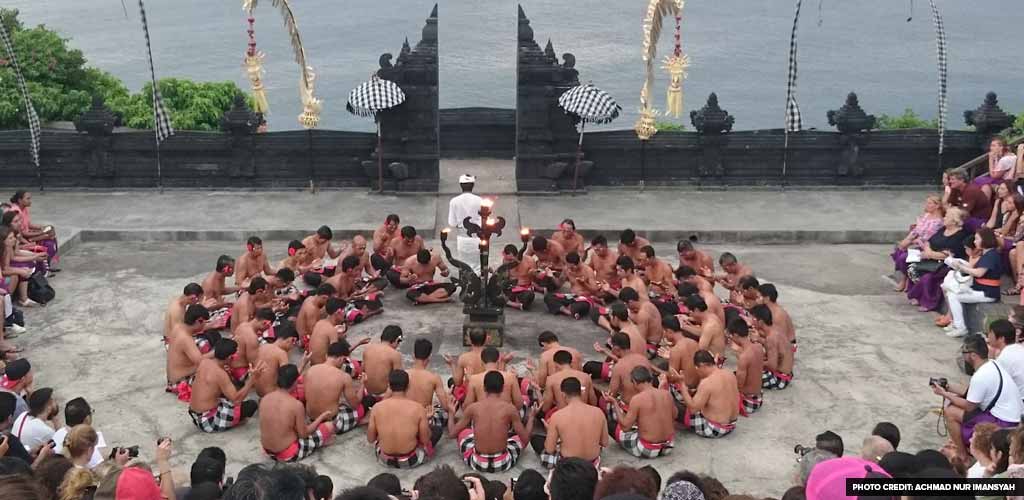
OK, good of you to stick with us – let’s help design a smart, exciting Indonesia holiday. Bali remains the most accessible entry point due to its established infrastructure and international connectivity. However, its value lies in its role as a gateway to the Lesser Sunda Islands. While Bali provides a refined blend of Hindu culture and luxury coastal living, Lombok nearby offers a more rugged, a… less-developed alternative. Further east lies the Komodo National Park, where the environment shifts to a savannah-like climate. This region serves those seeking a balance of high-end resort comfort and significant natural exploration quite well.
The Cultural Core: Java’s Heritage
As the most populous island, Java houses the country’s – and some of the world’s – most significant archaeological sites. The city of Yogyakarta serves as the cultural capital, providing access to the 9th-century Borobudur, the world’s largest Buddhist temple, and the Hindu temple complex of Prambanan. These sites offer a profound look into Indonesia’s pre-colonial history and are indispensable stops for any comprehensive cultural itinerary.
The Wild Frontier: Sumatra and Kalimantan
For travellers prioritising biodiversity and wildlife, the islands of Sumatra and Kalimantan (Indonesian Borneo) offer a different perspective. These regions are home to some of the world’s oldest rainforests and are the primary habitats for the critically-endangered orangutan. Unlike Bali’s manicured landscapes, these islands require the strange conjugation of an adventurous spirit… and yet, a slower pace of travel. They represent the ‘wild’ frontier of Indonesia, where the focus is on conservation and raw natural encounters.
Practical Essentials: Navigating Indonesia’s Logistics, Weather and Sensitivities
Navigating Indonesia requires attention to seasonal and logistical details. The dry season typically runs from May to September, making it the optimal window for exploring the best islands in Indonesia. Regarding entry requirements, most visitors can obtain a Visa on Arrival (VoA), though it is prudent to verify current regulations before departure. Respecting local customs is also paramount; Indonesia is the world’s most populous Muslim-majority nation, and while Bali is predominantly Hindu, modesty in dress and conduct is expected when visiting religious sites or rural villages across the wider archipelago.
Explore Indonesia’s Beauty & Adventure with Great Holiday Deals
As goes with any country – Indonesia is a destination of immense depth, and it rewards travellers who take time to explore and soak it in. Don’t bother counting the number of islands reached, but the quality of the immersion in each locale. By selecting a few key regions — such as Java’s cultural sites and Bali’s iconic coastal retreats — international holidaymakers can begin to appreciate the multifaceted nature of this extraordinary nation.
Our travel specialists are experts in navigating the complexities of the Indonesian archipelago. Whether you are seeking a refined cultural tour of Java or a private cruise through the Komodo Islands, check out our Indonesia holiday deals – you might see our seasonal specials bundling in stays, discounted airfares, return transfers, daily breakfast and even bonus tours at jaw-dropping prices – call us to begin planning your inaugural Indonesian journey at 1300 991 751!
More Travel Blog Articles
A Tranquil Enclave in Batubelig: The Kashantee Village Experience
Tucked away in the vibrant district of Batubelig, Kashantee Village Bali serves as a sophisticated…


Indonesia Revamps Its Laws: What the ‘Sex Outside Marriage’ Law Means for Your 2026 Bali Holiday
How does Indonesia officially enacting its new, long-awaited National Criminal Code impact international holidaymakers? Sexual…