
Visiting Komodo Dragons in 2026: A Strategic Guide for First-Timers
Estimated word count: 1320 words
Estimated reading time: 11 minutes
Share This Article

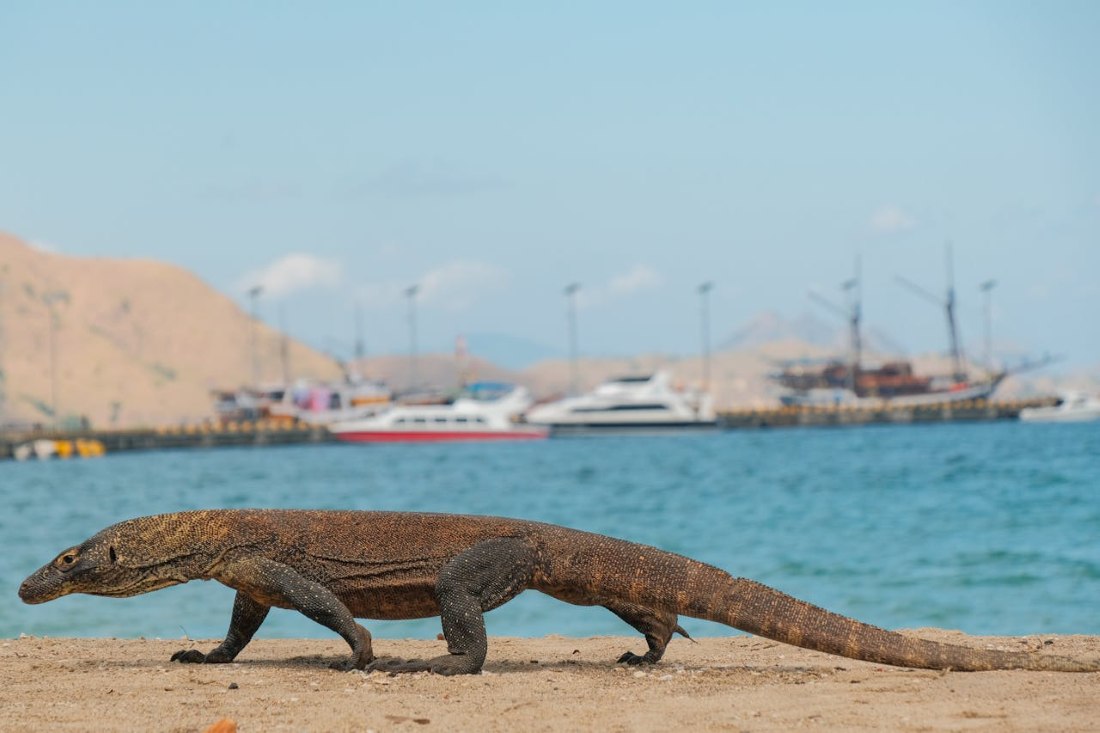
Excited for your first time face-to-face with a Komodo dragon? There are a few things to unlearn and then know – first thing a newcomer must understand is that visiting the Komodo National Park in 2026 is no longer a ‘backpacker’s secret’ or a spontaneous day trip from the pier. The park now operates with the exclusivity of a high-end gallery, having moved to a strictly managed tourism model to protect its fragile volcanic ecosystem. With a hard daily cap of just 1,000 visitors across the entire 1,733-square-kilometre park, every entry is a prized commodity that requires advanced tactical planning.
For the first-timer, this isn’t merely a walk in the woods; it is a transition into the last remaining habitat of the world’s largest lizard. The goal of this guide is to move beyond the ‘if’ and focus on the ‘how’ – ensuring that your first encounter with an apex predator is defined by awe rather than administrative frustration. Whether you are trekking through the scorched savannas of Rinca or the emerald forests of Komodo Island, the 2026 experience is defined by digital precision and a profound respect for the ‘Ranger Rule’.
The Digital Gatekeeper: Navigating SiORA and Quotas
The most significant hurdle for the modern traveller is the SiORA app, the official government platform that now serves as the park’s only entry point. Spontaneous travel to the park has effectively ended; you must now register with your passport details and secure a digital permit weeks, or even months, in advance. This ‘digital gatekeeper’ ensures that the daily quota is never exceeded, protecting the UNESCO World Heritage site from the overcrowding of previous decades.
In 2026, the park has also implemented three strict timed sessions to prevent the “bottleneck” effect at iconic locations like Padar Island. Session 1 (05:00–08:00) is the most sought-after for those chasing the legendary sunrise views over the four-colored bays. Sessions 2 and 3 offer a different light and slightly fewer crowds, providing a more intimate experience for photographers. If you are booking through an operator, it is vital to verify that they have already secured your specific session slot, as a boat ticket in Labuan Bajo is useless without a corresponding digital permit verified in the SiORA system.
Choosing Your Terrain: Komodo Island vs. Rinca Island
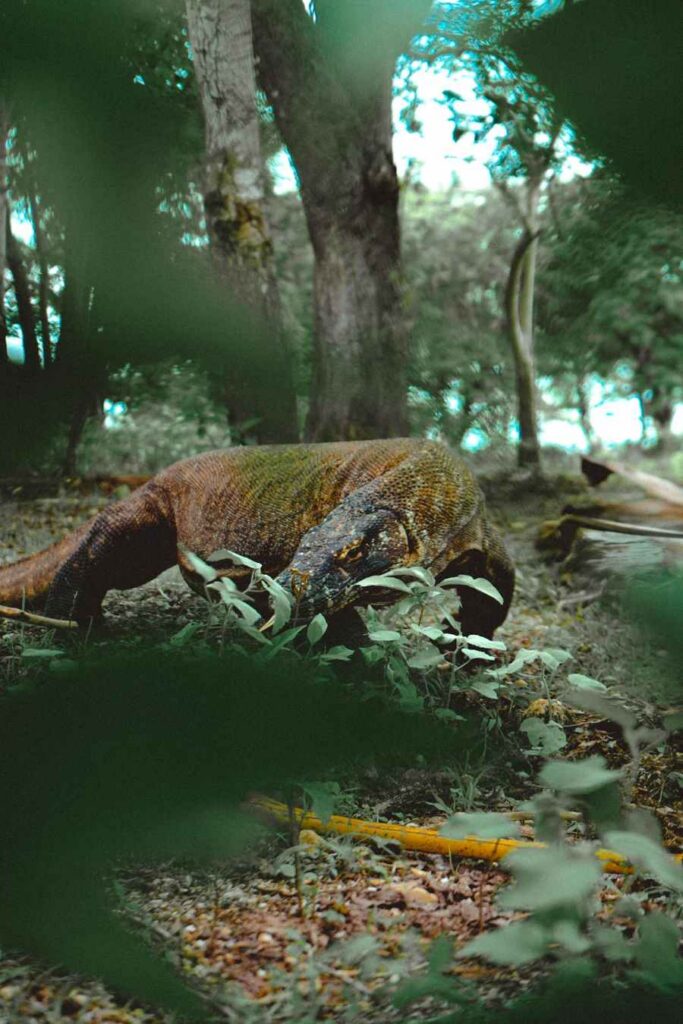
First-timers often face the dilemma of choosing between the two primary islands for their dragon encounter. While both offer sightings of the Varanus komodoensis, the vibe and physical demands of each terrain are distinct:
- Komodo Island: This is the quintessential ‘Jurassic Park’ aesthetic. It is more rugged, forest-heavy, and requires a longer boat journey (approx. 3–4 hours by wooden boat) from Labuan Bajo. The trekking here is steeper and more demanding, but it offers a sense of untamed wilderness that appeals to those looking for a true expedition feel.
- Rinca Island: For those who prefer a more ‘safari-like’ experience, Rinca is the pragmatic choice. It is closer to the mainland (approx. 2 hours away) and features a flatter, savanna-dominated landscape. Sightings here are often more concentrated, particularly around the ranger stations where dragons are known to congregate. Rinca is generally the preferred option for families or those with limited time who still want a high probability of a successful sighting.
The Wild Protocol: Safety and Predator Etiquette
A Komodo dragon is an opportunistic apex predator that possesses a sensory system capable of detecting the scent of blood from nearly four kilometres away. For a first-timer, the most critical rule of engagement is the ‘Ranger Rule’ – under no circumstances are you permitted to walk the trails alone. Every group is accompanied by a mandatory park ranger equipped with a forked wooden stick. This seemingly simple tool is the primary line of defence, used to gently but firmly redirect a dragon’s head if it becomes too inquisitive.
Safety relies on maintaining a strict professional distance of at least 3-5 metres, even if the dragon appears to be in a state of lethargic rest. One of the most vital safety protocols involves biological triggers that many newcomers overlook. Because of the dragon’s hypersensitive olfactory system, visitors who are menstruating or have open wounds must inform their ranger immediately before the trek begins. This disclosure is not a barrier to entry; rather, it allows the ranger to adjust their positioning and maintain a higher level of vigilance to ensure the safety of the entire group throughout the encounter.
Seasonal Strategy: Timing Your Komodo Dragon Encounter in 2026
The ‘best time to visit’ the park has shifted slightly in 2026 as travellers attempt to navigate the new daily quota system while seeking the most picturesque conditions. The Green Season, spanning from April to June, is widely considered the ‘sweet spot’ for photography and trekking. During these months, the islands are covered in a lush emerald carpet from the recent rains, the seas are at their calmest, and the visitor quotas are often slightly easier to navigate compared to the mid-year peak. This is also the period when younger dragons are frequently seen emerging from their nests, offering a rare glimpse into the early life cycle of the species.
As the calendar moves into July and August, the park enters its peak mating season. While the weather is consistently dry and sunny, the behaviour of the dragons changes significantly; large males are often found deep in the forest competing for dominance, which can sometimes make sightings more challenging than in the shoulder months. Furthermore, this coincides with the highest volume of international arrivals, meaning that SiORA permits must be secured months in advance. For those who prioritize marine life alongside their dragon trek, the window from September to November offers the highest underwater visibility and the best chance of encountering manta rays at the nearby reefs, even as the landscape transitions into a stark, golden savanna.
Tactical Logistics: The Financial and Physical Entry
In 2026, the fee structure for the Komodo National Park has shifted toward a more consolidated, ‘all-in’ model to streamline the visitor experience. While historically fees were paid in small increments for various activities, travellers should now budget for a baseline cost of approximately IDR 650,000 – IDR750,000 (~US$40–$50) per person. This typically covers the primary entry permit, the mandatory ranger service, and the trekking fees for either Komodo or Rinca Island. It is important to note that these fees are often separate from your boat charter costs, and having your SiORA digital permit ready for scanning at the ranger station is a non-negotiable requirement for entry.
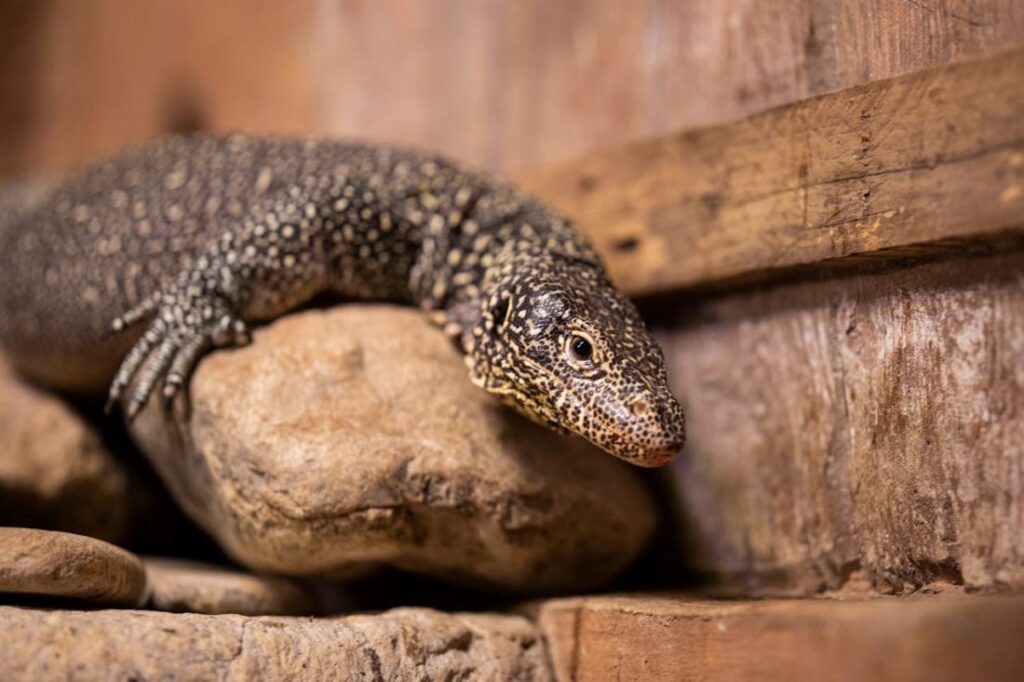
The choice of transport from Labuan Bajo remains the most critical logistical decision for a first-timer. A speedboat day trip is a surgical strike – efficient, fast, and capable of visiting four to six iconic spots, including Padar Island and Pink Beach, in a single daylight window. Conversely, a liveaboard (typically 3 days/2 nights) offers the only way to experience the park’s profound silence once the day-trippers have departed. Regardless of the vessel, the 2026 rule remains absolute: no digital permit, no boarding boats, and most definitely no dragon encounters.
Komodo Dragon Tours in Indonesia: A Managed Masterpiece
The Komodo National Park of 2026 is a masterpiece of modern conservation and managed tourism. For the first-timer, the journey requires a shift in mindset—from the casual explorer to the disciplined guest of a protected wilderness. While the new digital quotas and strict ranger protocols may seem like hurdles, they are the very mechanisms that ensure the dragons remain wild and the islands remain pristine. By securing your permit early and respecting the ‘Wild Protocol’, your first encounter with these ancient predators will be a highlight of your Indonesian journey. Check out our other Indonesia travel blogs, or sample some of our in-house Bali Hot Deals where we bundle stays, transfers, breakfast and even seasonal bonuses like meal plans, discounted airfares, and tours. And if you’ve a Komodo dragon adventure simmering in there, talk to our friendly travel specialists to stitch you a bespoke Indonesia holiday – call us at 1300 991 751!
More Travel Blog Articles
Sawangan’s Clifftop Vantage: A Guide to Samabe Bali Suites & Villas
In the landscape of Nusa Dua’s luxury retreats, Samabe Bali Suites & Villas occupies a…


The 2026 Bali Spin - As European Flights Falter, Australia Readies Its Bags
The primary concern for the season is the significant disruption to the Europe-to-Asia corridor. Ongoing…