
2026 Guide to One Of Bali’s Great Preserves: Exploring West Bali National Park
Estimated word count: 755 words
Estimated reading time: 6 minutes
Share This Article

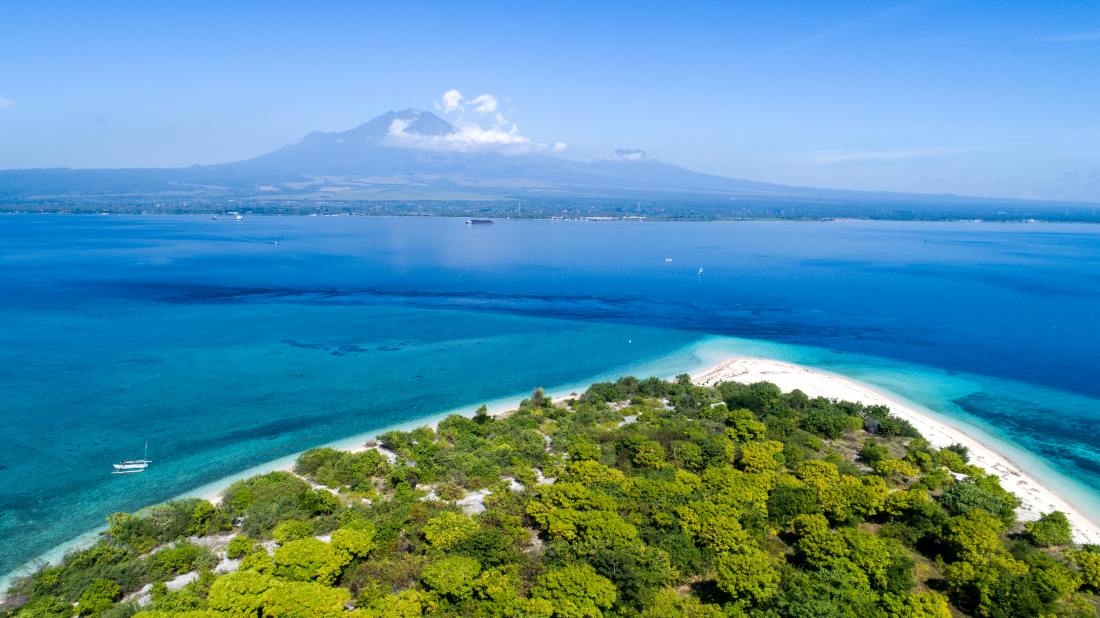
The Taman Nasional Bali Barat, or the West Bali National Park, represents one of the island’s great preserves of true wilderness. Occupying archipelago’s northwestern tip, it encompasses a stonking 190 square kilometres (that’s over 19,000 hectares) of diverse ecosystems, from monsoon forests and mangroves to the protected coral reefs surrounding the Menjangan Island. In 2026, the park serves as the essential counterpoint to South Bali’s high-density tourism, offering a ‘Safari Coast’ experience defined by biodiversity and low-impact exploration. This is a region where the rice paddies’ tropical humidity gives way to arid savannahs, providing a perspective on Bali that remains largely untouched by mass development.
Menjangan Island: The Vertical Reefs
The crown jewel of the park’s marine territory is the uninhabited island of Menjangan, located just off the northern coast. It is widely recognised for its ‘wall diving’ – a geological feature where the reef drops vertically into the deep blue. These limestone walls are covered in massive gorgonian fans, soft corals, and sponges, creating a complex habitat for pygmy seahorses, moray eels, and vibrant nudibranchs. Because the island is protected from the strong currents of the Bali Strait, the waters remain exceptionally clear, often providing visibility exceeding 30 metres during the dry season.
For travellers in 2026, the most efficient way to experience this underwater landscape is through ‘drift snorkelling’ – entering the water at one end of the island’s northern or western walls and allowing the gentle current to carry you over the reef edge with minimal effort. It is an unhurried, quiet encounter with a spectacular marine ecosystem that has benefited from decades of strict national park status. For snorkelling and diving enthusiasts, the coral health and variety of marine species to be sampled here – you’ll be hard-put to find better alternatives worldwide.
Terrestrial Inhabitants: From Endangered Bali Starlings to Beach-Loving Deer
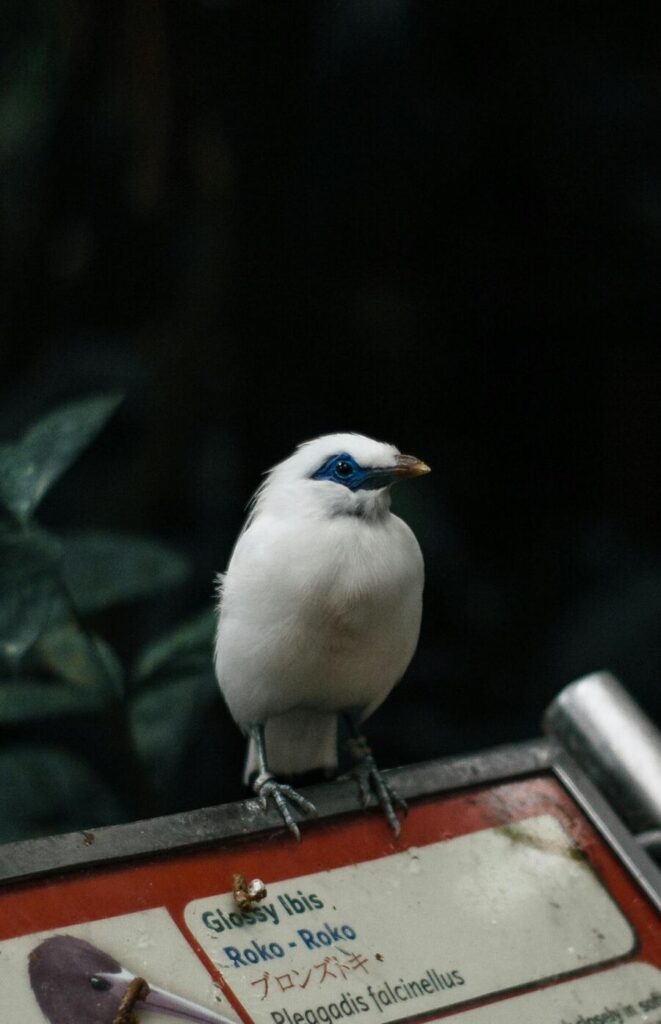
Beyond its coastline, the park’s interior serves as a vital sanctuary for several of the region’s most distinctive land species. The most recognized inhabitant is the Bali Starling (Jalak Bali), a bird characterized by its pure white plumage and vivid blue eye patches. Once on the brink of extinction, the starling has become a focal point of 2026 conservation efforts, with several breeding and reintroduction programs established within the park’s boundaries.
The park is also home to the Javan Rusa, known locally as Menjangan, the deer for which the nearby island is named. These animals are frequently seen grazing in the open savannahs or wandering along the white-sand beaches of the peninsula. In addition to the deer, the forest canopy provides a habitat for the Ebony Leaf Monkey (Lutung), a shy, glossy-black primate endemic to Indonesia. Unlike the more habituated macaques found in Bali’s southern tourist hubs, the wildlife here remains largely undisturbed, a tribute to Indonesian sensitivity.
We’re All About Ethical Exploration: Permits and Guides
Accessing West Bali National Park is managed through a structured permit system, ensuring tourism remains within the park’s ecological ‘carrying capacity’. All international visitors are required to obtain a permit at the official ranger stations in either Cekik or Labuan Lalang. Depending on weekdays or weekends, the entrance fee ranges between US$12-19. There are also nominal fees for specific activities, like trekking permits or snorkelling clearances.
To further protect the integrity of the environment, a certified park guide or ranger is mandatory for all terrestrial treks and marine excursions. A private ranger typically charges approximately IDR 350,000 for a guided session, providing both essential navigation through the unpaved forest trails and technical insight into the local flora and fauna. Travellers should also be aware of the 2026 calendar; like all major sites in Bali, the national park is strictly closed for 24 hours during Nyepi (March 19, 2026). By following these established protocols, visitors play a direct role in the sustainable management of Bali’s only national park.
The Value of the Unspoiled: Secure Your West Bali Wilderness Permit
West Bali National Park serves as more than just a geographic boundary; it is a critical safeguard for the island’s original soul. In a decade where many destinations are defined by their development, this northwest corner remains defined by its restraint. Whether you are observing the rare flight of a Bali Starling or drifting over the vertical coral walls of Menjangan, the experience is one of restorative silence and profound biodiversity.
Check out any of our season’s best Bali and Indonesia holiday deals, and talk directly with our friendly travel specialists to stitch together a bespoke West Bali holiday – call us at 1300 991 751!
More Travel Blog Articles
Managing The Silent Ascent: Borobudur’s 2026 Evolution
In 2026, Borobudur has officially moved beyond its status as a high-volume tourist landmark to…


Indonesia’s Best Pine Forests: A Guide to Slow Travel in 2026
While #Indonesia is synonymous with tropical coastline, volcanic peaks, probably the best gastronomy ever, and…